Google Pixel 10a Review: Incremental Upgrades, Enduring Value at $500

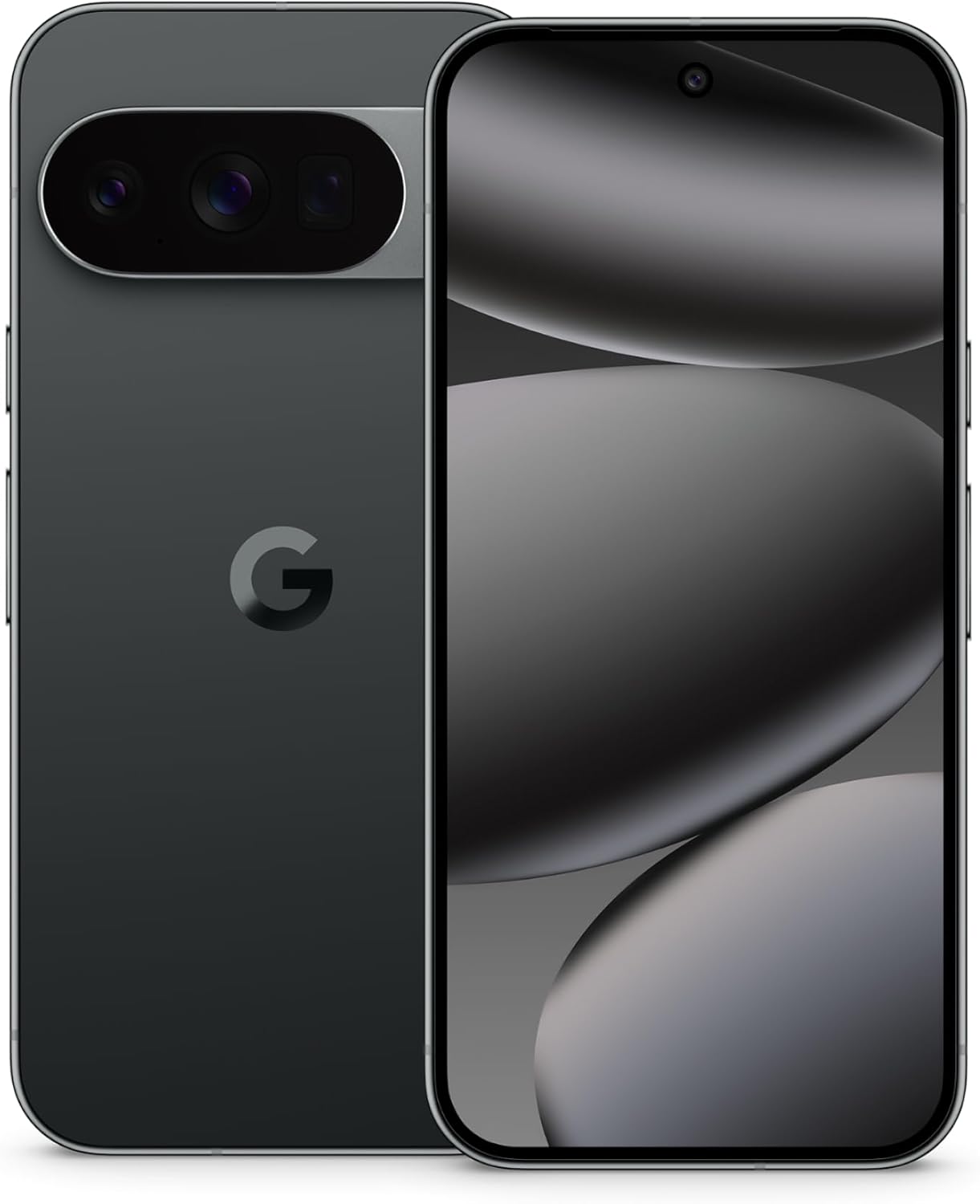
The Pixel 10a sticks to its guns with minimal changes but delivers top midrange value. Smart spending for most, but compare battery needs first.
Google Pixel 10a Review: Small Tweaks, Big Savings
As a budget analyst, I've crunched the numbers on countless smartphones, and Google's Pixel A-series has long been a value champ. At $500, the Pixel 10a faces rising prices across the board due to AI-driven memory shortages. Yet, it holds the line without hiking costs—value is more than price. Let's break down if these subtle updates justify your spend versus rivals like the Pixel 9a, OnePlus 15R, or Samsung Galaxy S25 FE.
Design and Build: Secure Grip, Flat Lay
Available in lavender, berry, fog, and obsidian, the Pixel 10a's aluminum frame and matte composite back feel premium and grippy. The redesigned, slimmer camera module lets it lie flat—perfect for desk use. IP68 rating and easier repairability add longevity, reducing long-term costs. At 6.3 inches, it's compact compared to behemoths like the OnePlus 15R. Your wallet will thank you for skipping bulky cases on this stable handset.
Pros: Beautiful finishes, flat back, repair-friendly. Cons: No major size or weight reductions.
Display: Brighter and Tougher
The 120Hz P-OLED hits 3,000 nits (up from 2,700 on Pixel 9a) with Gorilla Glass 7i for better scratch/drop resistance. It's vibrant, responsive, and the mid-screen fingerprint sensor is spot-on. Cost-per-use shines here—daily scrolling feels premium without flagship pricing.
Pros: Peak brightness boost, smooth refresh, durable glass. Cons: Minimal generational leap.
Battery and Charging: Middle of the Pack
5,100mAh lasts 28 hours in video tests, matching Pixel 9a but trailing the OnePlus 15R's 7,400mAh beast. 30W wired (up from 23W) hits 50% in 45 minutes, full in 1:45—no charger included. 10W wireless improves, but no Pixelsnap alignment. Smaller battery means faster degradation with frequent charges; factor that into 7-year ownership cost.
Pros: Serviceable endurance, faster charging. Cons: No adapter, no magnetic wireless, aging concerns.
Performance: Snappy Enough for Most
Tensor G4 with 8GB RAM mirrors Pixel 9a—slower than Galaxy S25 FE's chip, but the 120Hz screen masks it. Stays cool during Diablo Immortal at 60fps. Smart spending, not cheap spending: Midrange silicon + clean Android = fluid daily use without overspending.
Pros: Responsive UI, thermal control. Cons: Dated chipset vs pricier rivals.
Camera: AI Magic on a Budget
48MP main + 13MP ultrawide + 13MP selfie, unchanged hardware but new AI like Camera Coach (cloud-slow for action) and Auto Best Take (group photo savior). Sharp, natural shots—no telephoto hurts concerts, but $500 price forgives it.
Pros: Excellent software processing, new AI tools. Cons: Cloud latency, no telephoto.
Software: Seven Years of Peace
Android 16 out-of-box, 7 years of updates including Pixel Drops and Satellite SOS. Gemini Live and Circle to Search onboard; missing Screenshots app is a nitpick.
Pros: Unbeatable support longevity. Cons: Lacks some Pixel exclusives.
Value Comparisons
- Vs Pixel 9a: Brighter screen, faster charging—worth upgrading if battery bugs you less.
- Vs OnePlus 15R: Inferior battery/charging, but half the price for similar smarts.
- Vs Galaxy S25 FE: Slower chip, but $100-200 cheaper with equal software perks.
Verdict
The Pixel 10a is peak midrange value at $500—excellent for casual users prioritizing camera, software longevity, and compact design. Cost-per-use over 7 years crushes flagships. Budget buyers and Android purists: Buy. Heavy gamers/power users: Splurge on OnePlus 15R for battery. Your wallet will thank you—this is smart spending in a pricey market.